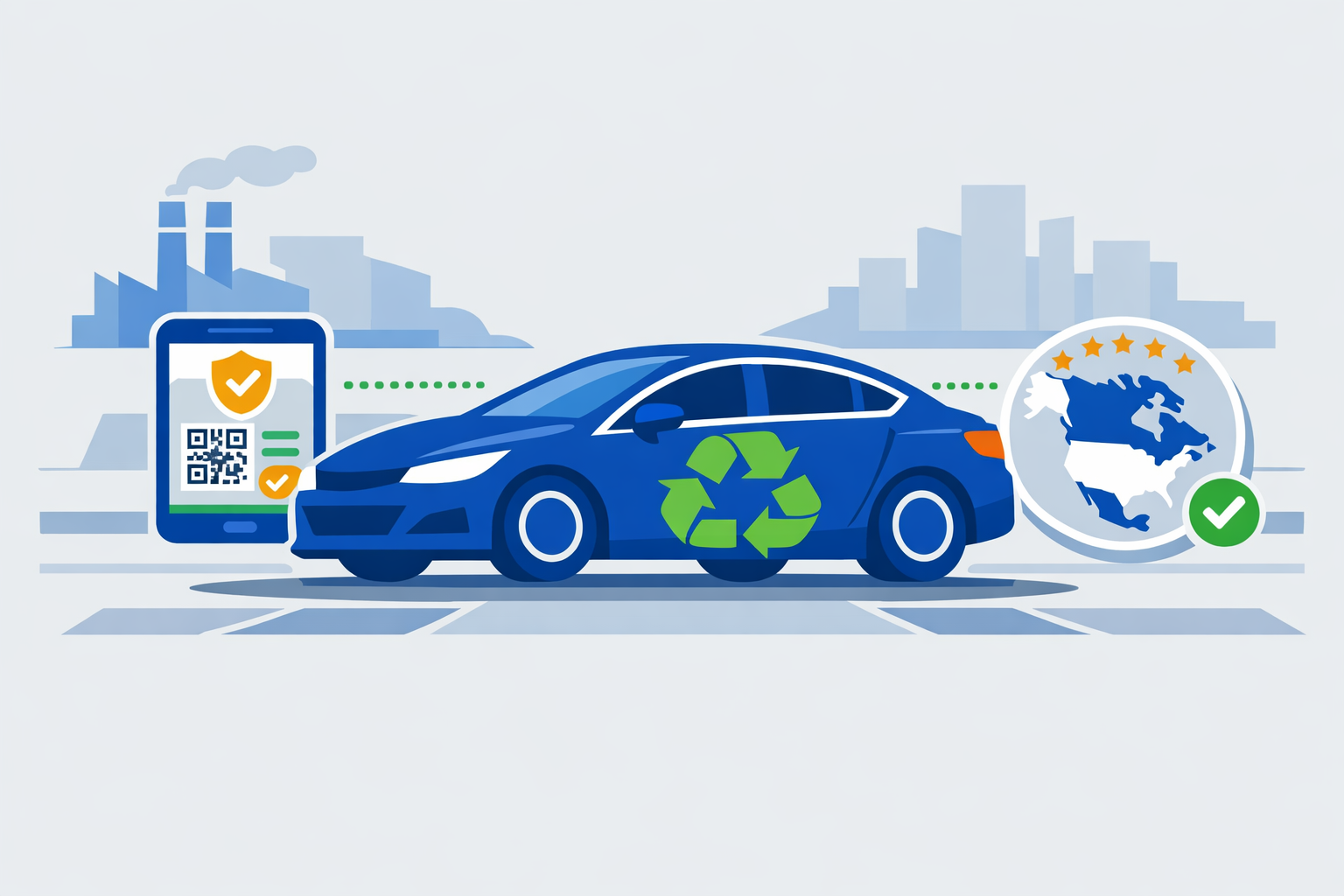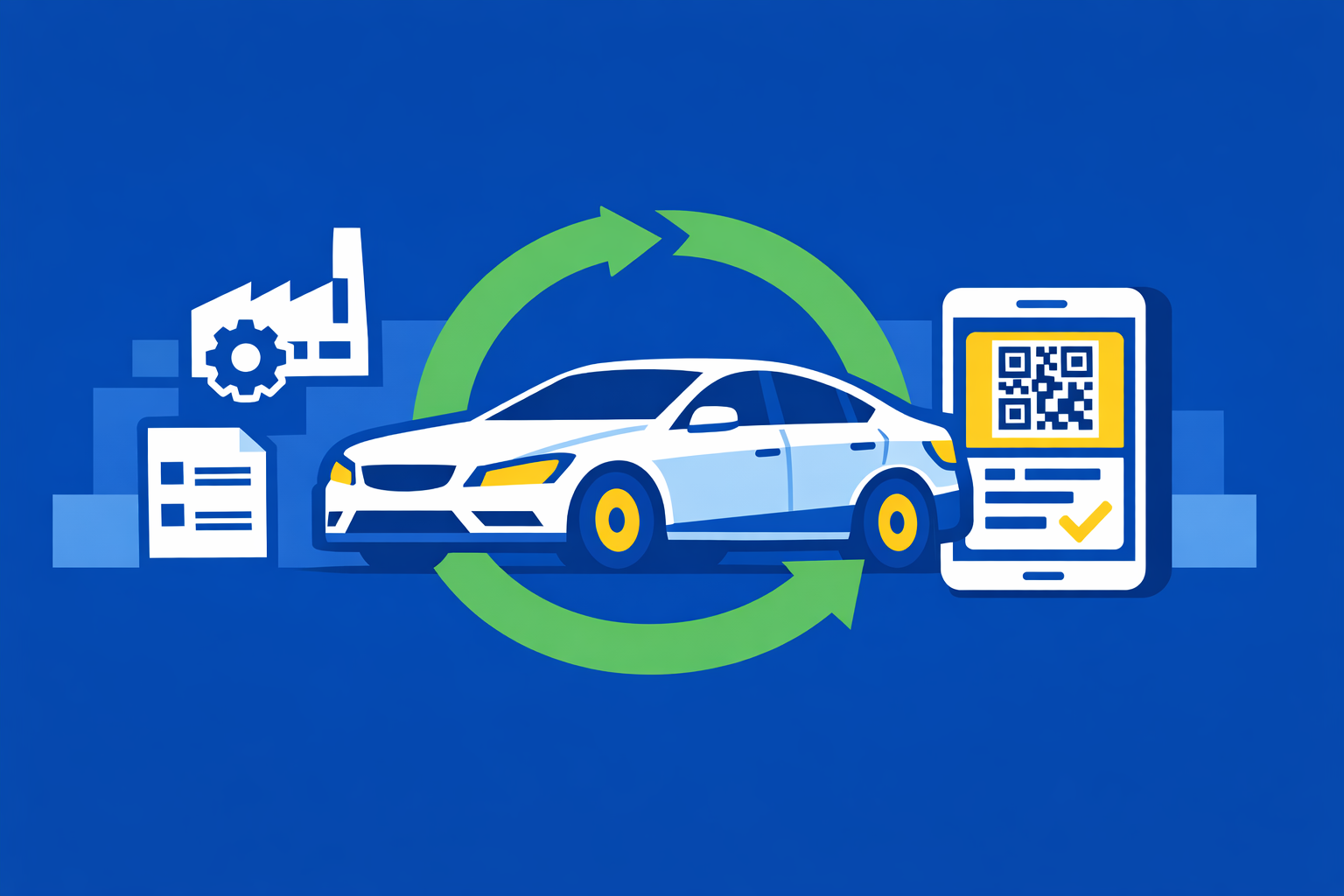
The European Union has set an end-of-2026 deadline for establishing a binding verification methodology for recycled plastic content in new vehicles, intensifying pressure on automotive original equipment manufacturers (OEMs) and their tier-one and tier-two suppliers to overhaul material sourcing, documentation, and quality-assurance workflows.
Background
In December 2025, the European Commission and the Council reached a political agreement on the revised End-of-Life Vehicles (ELV) framework. In February 2026, the compromise text was published, marking a key step toward formal adoption of the new ELV Regulation. The shift from the former ELV Directive to a directly applicable regulation reflects a broader policy move from end-of-life waste management toward lifecycle-based circularity.
The regulatory revision was triggered by documented shortfalls in the existing framework. Under current rules, only 19% of plastics from end-of-life vehicles is recycled, with most recovered materials consisting of metal waste that is shredded and insufficiently sorted or valorised. The automotive sector accounts for approximately 10% of overall EU plastics consumption, equivalent to six million tonnes per year, yet makes little use of recycled materials.
A recent evaluation concluded that the current EU framework falls short and that substantial reform is needed, prompting the European Commission to propose a new End-of-Life Vehicles Regulation in July 2023.
Key Requirements and Verification Deadline
The regulation introduces mandatory recycled plastic content targets for new vehicles for the first time in Europe. Under the provisional agreement, these mandates will be phased in over a 10-year period: a minimum of 15% recycled content is required six years after entry into force, and a minimum of 25% recycled content is required 10 years after entry into force. At least 20% of these targets must be sourced from end-of-life vehicles-equating to 3% ELV-derived content after six years and 5% after ten years.
Critically for procurement and compliance teams, rules for recycled plastic content are to be calculated and verified by end of 2026, followed by a feasibility study for setting the recycled content target in 2027 and a declaration of material formats in 2030. The verification methodology will determine how post-consumer recycled (PCR) content percentages are assessed, audited, and certified across the supply chain-a process that does not yet have harmonised EU-wide rules.
The mandates apply to passenger cars, light commercial vans, regular heavy-duty vehicles, motorcycles, and special-purpose vehicles, with an exception for small-volume manufacturers of heavy-duty special-purpose vehicles.
Environmental groups have criticised the final targets as insufficient. "Lawmakers slashed recycled plastic content targets from 25% to 15% six years after entry into force, postponing the 25% requirement until a decade after the regulation takes effect," the European Environmental Bureau and Environmental Action Germany stated.
Supply-Chain Implications
The verification deadline is driving immediate compliance work across the automotive value chain. Unlike the original directive, the revised framework links vehicle design, material selection, recycled content, and producer responsibility across the full vehicle lifecycle. End-of-life compliance is no longer limited to dismantling and waste treatment-it increasingly requires proving circularity through reliable material data and auditable records.
A primary challenge is the limited availability of high-quality recycled plastics suitable for automotive applications. Automotive-grade recycled polypropylene (rPP), polyethylene (rPE), and polyamide (rPA) remain in short supply. Recycled content mandates are expected to be met primarily through recycled polyolefins, and ICIS has estimated that 0.5 to 0.6 million tonnes of recycled polyolefins would be required by 2040, with the majority supplied by recycled polypropylene.
Plastics comprise about 20% of a modern vehicle's weight, appearing in interior, exterior, and structural components-including dashboards, door panels, centre consoles, and seat bases-which commonly use ABS, PC/ABS blends, and modified polyolefins. Manufacturers must embed detailed material data into components through mandatory digital product passports, listing polymer types per ISO 1043, additives and fillers, joining methods, and end-of-life handling instructions.
Some leading OEMs are already adapting. Stellantis has announced plans to use 40% recycled content in vehicle plastics by 2030, partnering with European recyclers to source post-consumer polypropylene and polyamide compounds, with a focus on non-visible structural parts such as battery trays and underbody shields. BMW Group is testing interior panels made entirely from recycled thermoplastics and piloting digital material passports accessed via QR codes embedded in components to improve supply-chain transparency.
Outlook
The provisional agreement must be endorsed by the Council and the European Parliament before formal adoption, after which the regulation will apply two years after entry into force. The agreement also allows the European Commission to delay or temporarily lower plastic content targets "in case the lack of availability or excessive prices of specific recycled plastics make compliance with the minimum percentages of recycled content excessively difficult."
For suppliers, the immediate priority is audit-readiness ahead of the verification methodology expected by end-2026. At least 30% of plastics recovered from end-of-life vehicles will need to be recycled under the new rules, and by keeping these materials within Europe, the regulation aims to reduce import reliance and strengthen resilience against global supply-chain disruptions.[1]