Automakers are shifting plastics production as AI-driven injection molding alters global capacity trends.
Automakers have accelerated the relocation of automotive plastics manufacturing beyond China, employing AI-controlled injection molding and establishing new regional plants. This supports rising demand for battery enclosures and lightweight interior components through 2035. Key drivers include the China+1 diversification strategy, evolving trade policies, and technological advancements in injection molding automation. These developments, along with regional expansion and regulatory changes, are poised to restructure the global plastics supply chain.
Background
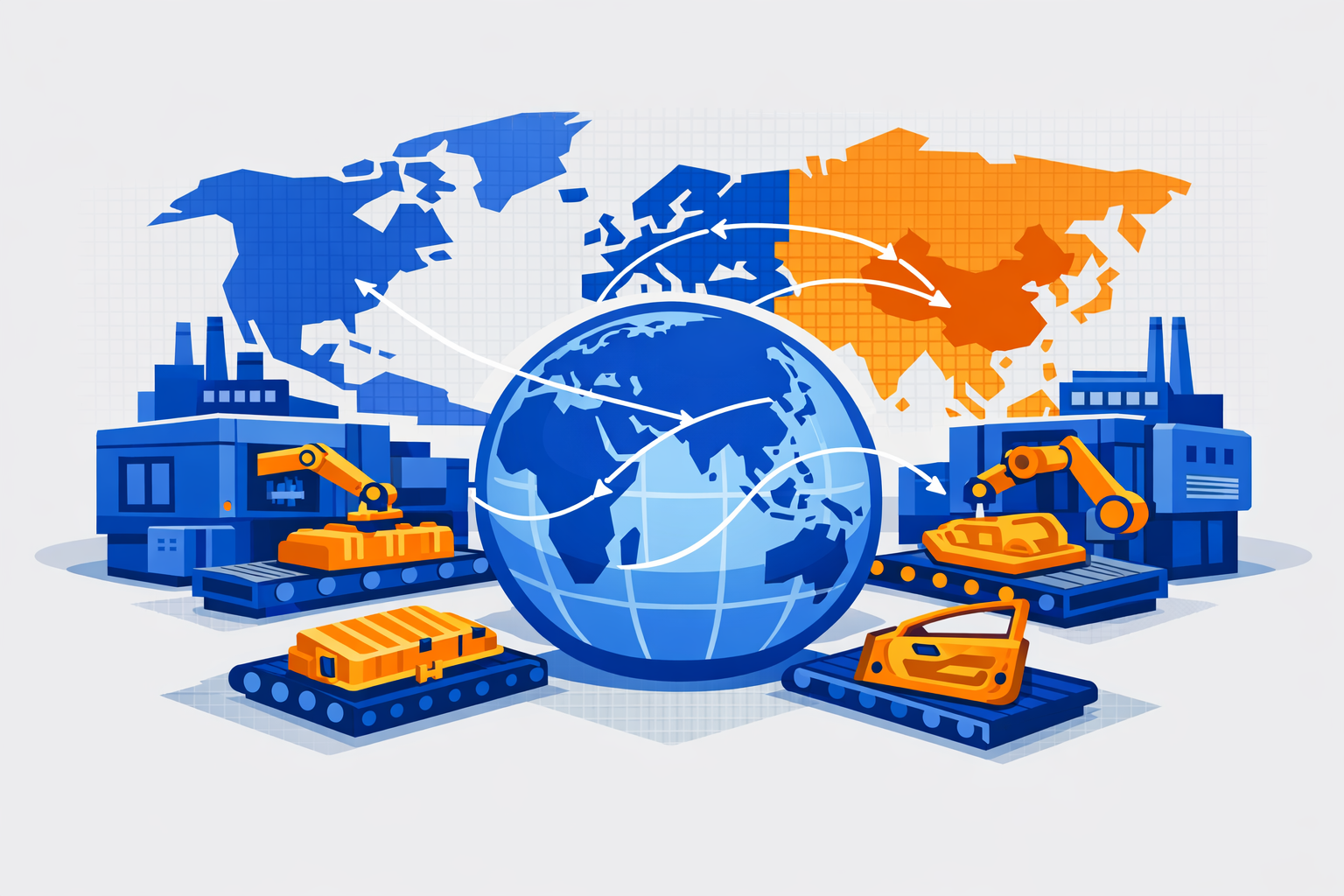
The China+1 strategy has led automakers and suppliers to diversify production into Vietnam, Thailand, India, Indonesia, Mexico, and Eastern Europe to reduce reliance on China amid geopolitical and trade uncertainty. This trend is particularly pronounced in automotive parts sourcing and assembly (S&P Global, Acclime).
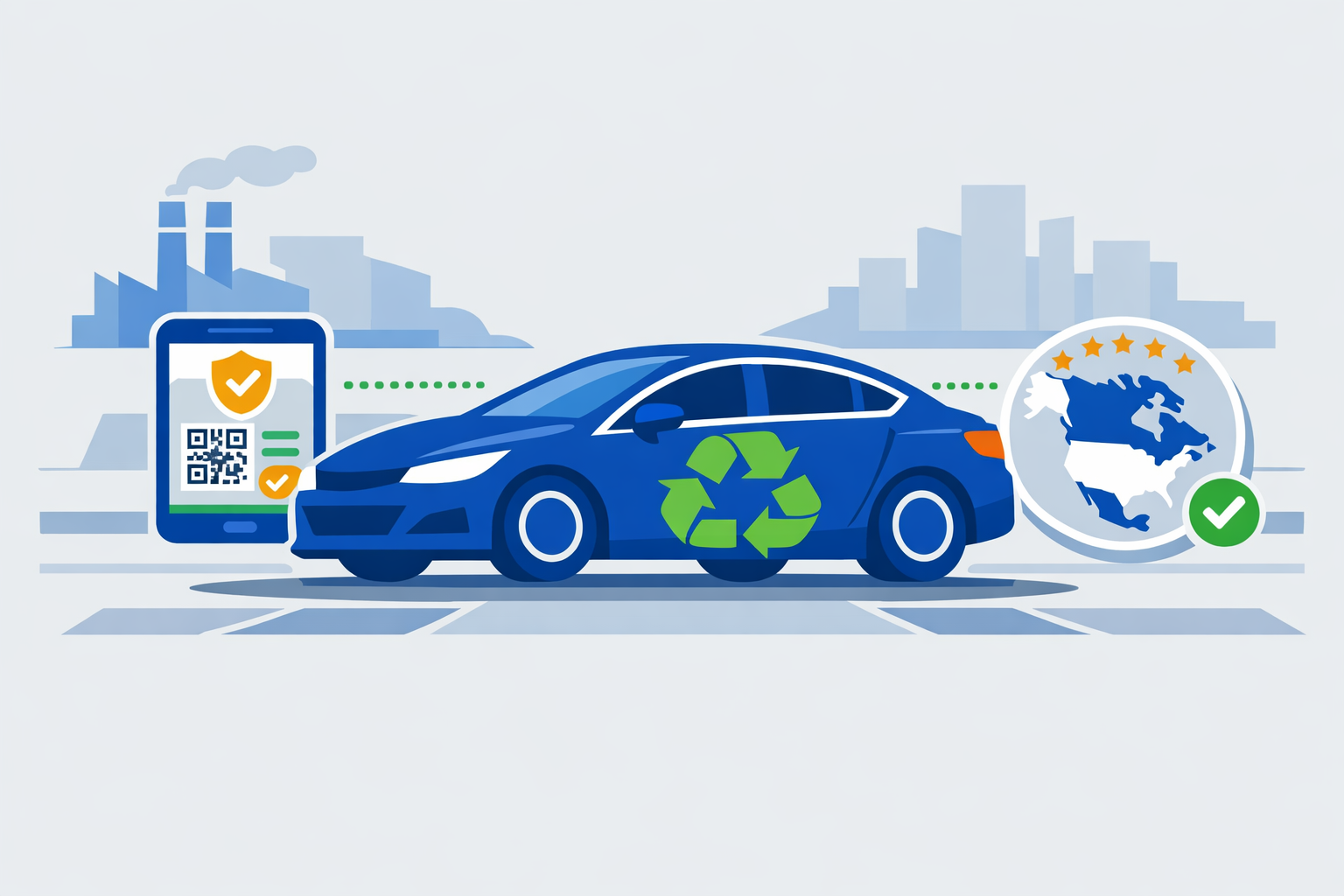
Simultaneously, companies are adopting AI and blockchain technologies to enhance compliance and traceability, addressing stricter customs enforcement and growing trade scrutiny (Resilinc).
Details
Injection molding machine demand is rising in Southeast Asia as local plastics processing industries develop. Vietnam's market growth rate is projected to reach approximately 14.3% by 2028 before stabilizing, indicating a shift toward export-ready production (Alibaba/Precedence Research).
Chinese original equipment manufacturers (OEMs) are also broadening their regional supply chains. BYD, for example, will open a new plant in Hungary in Q2 2026 and plans another in Turkey by 2027 to meet local sourcing mandates and reduce trade barriers (Polyestertime).
Machinery manufacturers are expanding globally as well. Haitian International, a leading Chinese injection molding machine producer, delivered about 50,000 units in 2024 and operates plants outside China, including facilities in India, Mexico, and Serbia (Wikipedia/Haitian International).
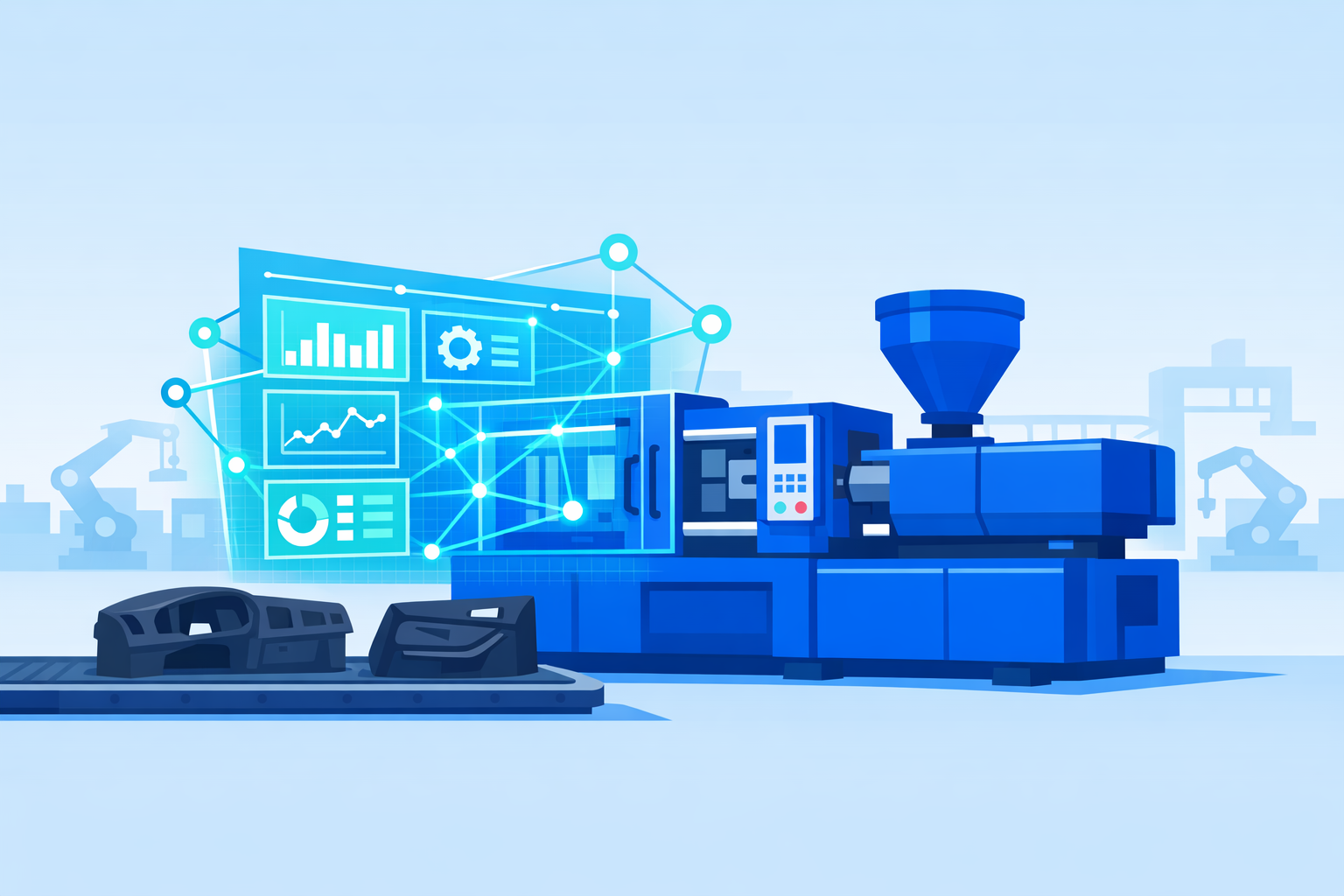
The "Two New" policy announced by China's State Council in March 2024 has prompted further investment in AI-enabled injection molding lines. Guizhou Huagong invested RMB 300 million to upgrade molding lines for dashboards and bumpers. Qiao Luming Technology allocated RMB 1 billion in Xi'an for intelligent molding and assembly (Adsale Plastics Network).
Global trade tensions are also restructuring supply chains. Anti-dumping duties on imported engineering plastics such as polyoxymethylene (POM) have doubled component costs, motivating diversification to countries like Mexico, Poland, and Brazil. Southeast Asia is projected to account for as much as 25% of global POM production capacity by 2027, up from 13% in 2022 (Daily Management Review).
Outlook
Capacity expansion in Southeast Asia and Europe is expected to accelerate as AI-controlled molding technologies optimize local production. Ongoing shifts in trade policy and supply chain diversification indicate that regional hubs will increasingly integrate plastics processing for automotive parts through 2035.