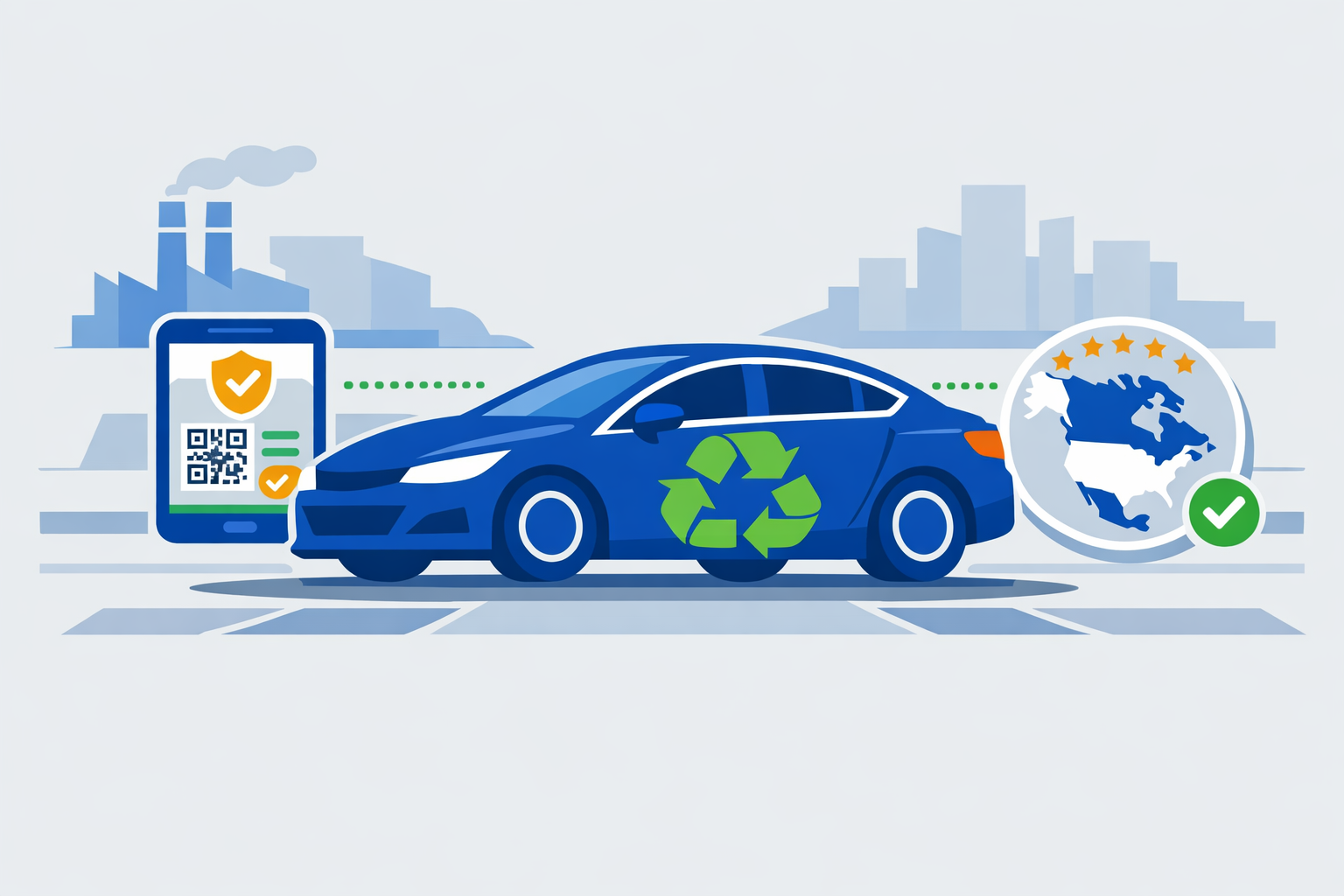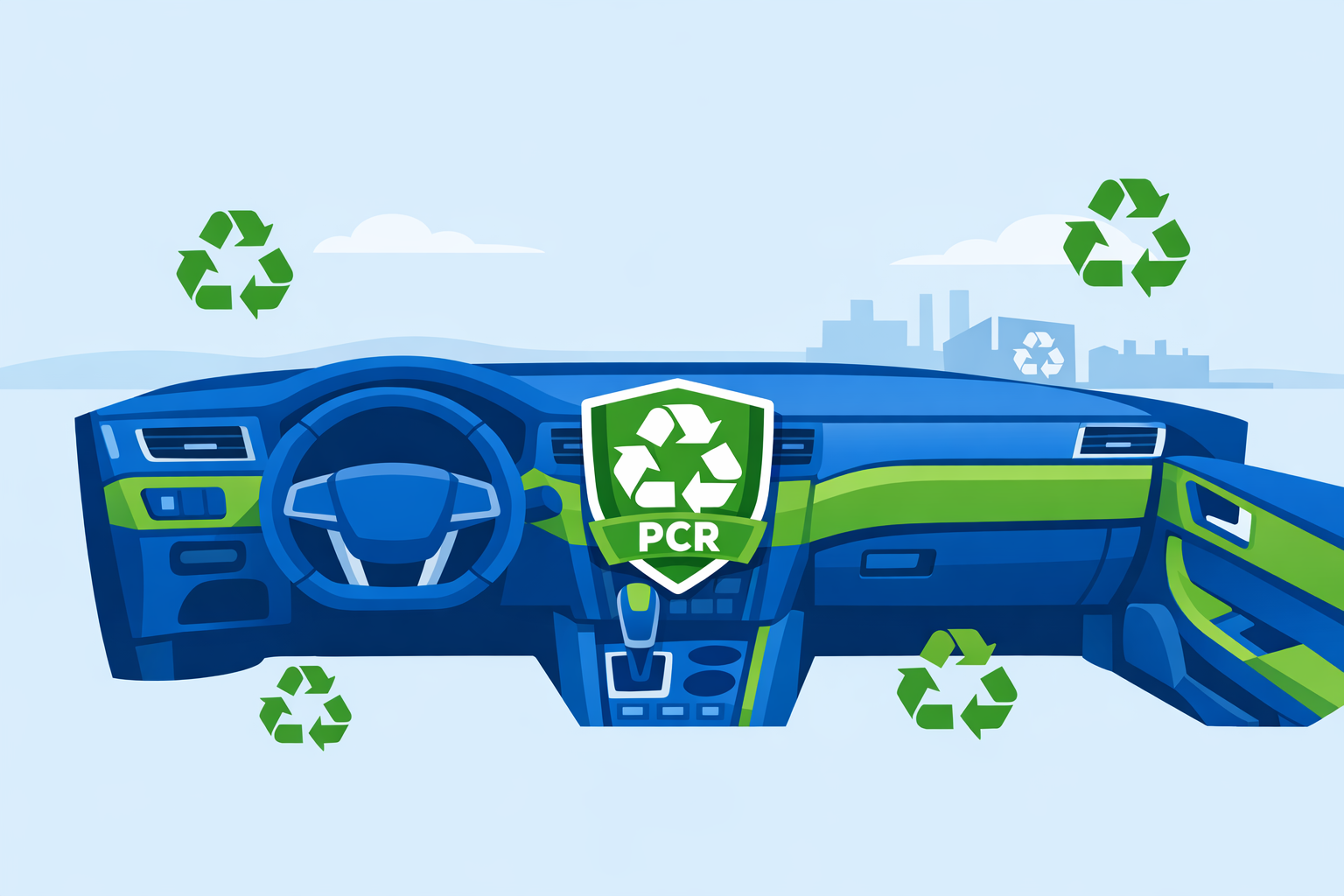
A proposed federal rule mandating minimum post-consumer recycled (PCR) content in light-vehicle interior plastic components is advancing toward finalization, according to industry and regulatory sources. The measure is prompting North American automakers and Tier-1 suppliers to accelerate supply chain realignment across sourcing, material certification, and compounding operations.
Background
The proposal would extend the scope of the U.S. Environmental Protection Agency's Comprehensive Procurement Guidelines-currently covering items such as rebuilt vehicular parts and recycled engine coolants-to include recycled polymer content in vehicle components such as dashboards, door panels, and center consoles. It would represent the first federal mandate of its kind applied to automotive interior plastics in the United States.
The regulatory push reflects a broader North American and global shift. As of 2025, five U.S. states have enacted laws requiring minimum recycled content in plastic containers and packaging, according to Beveridge & Diamond and the Association of Plastic Recyclers, while seven states have active extended producer responsibility (EPR) programs for packaging. At the federal level, no comprehensive plastic restriction yet exists for durable goods such as vehicles, but the proposed rule would change that calculus for the auto sector.
International precedent is well established. The European Union is advancing a mandate requiring up to 25% recycled plastic content in new vehicles, including material sourced from end-of-life cars, according to the World Economic Forum. In mid-2025, the EU's updated End-of-Life Vehicles legislative package-part of the Circular Economy Action Plan-set legally binding requirements for recycled content in plastics, digital product passports for traceability, and design-for-recycling mandates, as reported by Plastics Engineering. The American Chemistry Council has separately called for federal and state-level investment in durable plastics recycling infrastructure and tax incentives for vehicles incorporating recycled content.
Details
Interior components such as dashboards, door panels, center consoles, and seat bases typically use ABS, PC/ABS blends, and modified polyolefins, according to Plastics Engineering. These polymer families present differing recycling pathways and supply constraints. For mono-material polypropylene interior components, challenges to introducing recycled content are more straightforward to overcome, making them the near-term primary target for automakers, according to IDTechEx. More complex multi-material assemblies-particularly those involving flame-retardant additives or overmolded joints-require redesign for disassembly or investment in chemical recycling infrastructure.
The post-consumer recycled plastics in automotive market is valued at USD 15.12 billion in 2025 and is projected to grow at a compound annual growth rate of 10.8%, reaching USD 38.05 billion by 2034, according to Research and Markets. Use of recycled plastics in automotive applications is expected to grow at a CAGR of 29.1% between 2025 and 2035, according to IDTechEx forecasts.
Supply chain traceability is emerging as a central compliance issue. Automotive industry standards require chain-of-custody documentation, material declarations, and recycled content verification, according to Research and Markets; suppliers offering audited PCR grades with independent certification are expected to gain preferred-supplier designation. An EU Joint Research Centre analysis found that approximately 3% of plastics entering car manufacturing currently end up in the recyclates market, underscoring the scale of infrastructure investment required.
Leading OEMs are already building positions. Stellantis has stated plans to use 40% recycled content in vehicle plastics by 2030, partnering with European recyclers to source post-consumer polypropylene and polyamide compounds, according to Plastics Engineering. BMW Group is testing interior panels made entirely from recycled thermoplastics, using digital material passports accessed through embedded QR codes, according to the same source. America's Plastic Makers-the plastics-producing arm of the American Chemistry Council-has stated it is working across the end-of-life vehicle supply chain, including dismantlers, shredders, recyclers, and automakers, to improve recovery and reuse of automotive plastics.
Major global markets including the EU and Japan are advancing recycled-content requirements for vehicles, with mandatory thresholds expected within the next five to six years, according to America's Plastic Makers.
Outlook
Policymakers are weighing penalty structures and phased implementation timelines to balance compliance costs against industrial readiness. Imported recycled plastic has become cheaper relative to domestic alternatives over the past year, leading some companies to source internationally rather than from domestic recyclers, according to the Association of Plastic Recyclers-a dynamic that legislators may address with domestic-sourcing provisions in the final rule. OEMs and Tier-1 suppliers face parallel pressure to validate recycled polymer performance against automotive-grade thermal, mechanical, and flame-resistance specifications before any rule takes legal effect. Final rulemaking timing and precise minimum PCR thresholds for interior components remain subject to interagency review and public comment.
For related coverage, see our earlier reporting on the EU's phased recycled-plastic mandates for automotive composites and the original U.S. proposal for federal recycled-content requirements in light-vehicle components.