Tariff Relief Could Boost US Automotive Plastics Capacity
A new policy proposal to eliminate tariffs on imported injection molding machines, molds, and related automation equipment could lower capital costs for US automakers and plastics manufacturers, facilitating greater production of battery enclosure components.
Lawmakers in Washington have introduced tariff relief measures affecting key capital expenditures, including injection presses, molds, and automation systems. Industry representatives state that reducing upfront costs could accelerate capacity expansion in domestic automotive plastics manufacturing, notably for battery enclosure parts used in electric vehicles (EVs). The proposal follows rising concerns over high costs hindering automation investment and reshoring efforts.
Background
Tariffs on machinery and molds have placed added pressure on plastics production. According to industry sources, tariffs on imported injection molds increased by 10-20%, while injection molding machines faced rates between 5-10%, due to higher duties on steel and aluminum content. The Plastics Industry Association has warned these broad tariff policies threaten supply chains and cost structures. Tariffs also remain elevated on polymers, chemicals, and fabricated goods, with limited exemptions for sectors such as aerospace and semiconductors.
Details
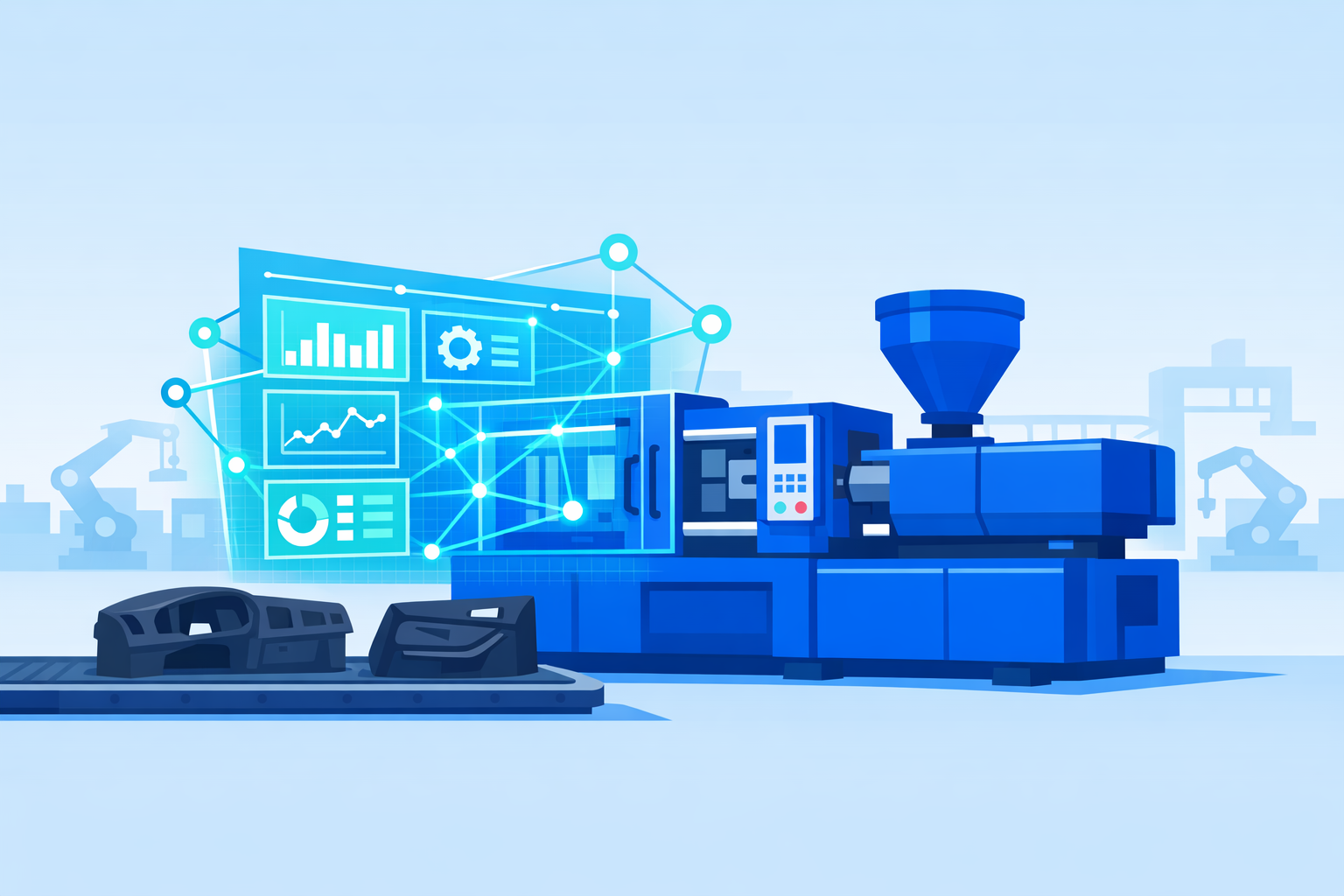
The proposed tariff relief covers several areas: injection presses, tooling dies, and associated automation systems. Removing or reducing duties on these capital-intensive items would lower initial investment costs for plant upgrades and expansions. Industry surveys show nearly 75% of processors plan to purchase primary processing equipment in 2026, but many have delayed investments amid uncertain ROI linked to tariffs. OEMs observe that customers often extend the lifespan of current assets rather than purchase new equipment. Tariff relief could support reshoring and increase domestic investment in injection molding capacity.
Battery enclosures-structural plastic parts requiring precision molding and high-volume production-are likely to see particular benefit. Lower machinery and tooling costs would enable manufacturers to scale throughput and reduce unit costs, which is essential as EV production grows. One processor reported that tariffs on German automation equipment increased acquisition costs, even as US-stocked models were unaffected, underscoring the impact of tariff structures on sourcing decisions.
Outlook
If approved, tariff relief is expected to drive renewed capital investment in injection molding and automation in the US automotive plastics sector, especially for EV-related components. Policymakers will debate the proposal in the coming weeks, while industry groups monitor developments for trade and domestic manufacturing impacts. Further details on implementation timelines and qualifying products will determine how quickly cost savings can support expanded production capacity.