Sulfur-based antimicrobial polymers are advancing from research laboratories into automotive interior pilot programs, placing the technology at the intersection of evolving biocidal regulation, vehicle hygiene demand, and unresolved mass-production feasibility questions.
Several major OEMs-including BMW, Mercedes-Benz, Tesla, and Toyota-are developing pilot programs that incorporate antimicrobial materials into vehicle interiors, according to industry analyses published in late 2024 and 2025. The push reflects heightened consumer awareness of cabin hygiene and a growing body of polymer chemistry research positioning sulfur-rich polymers as a technically viable, potentially sustainable alternative to incumbent silver- and copper-based antimicrobial additives.
Background
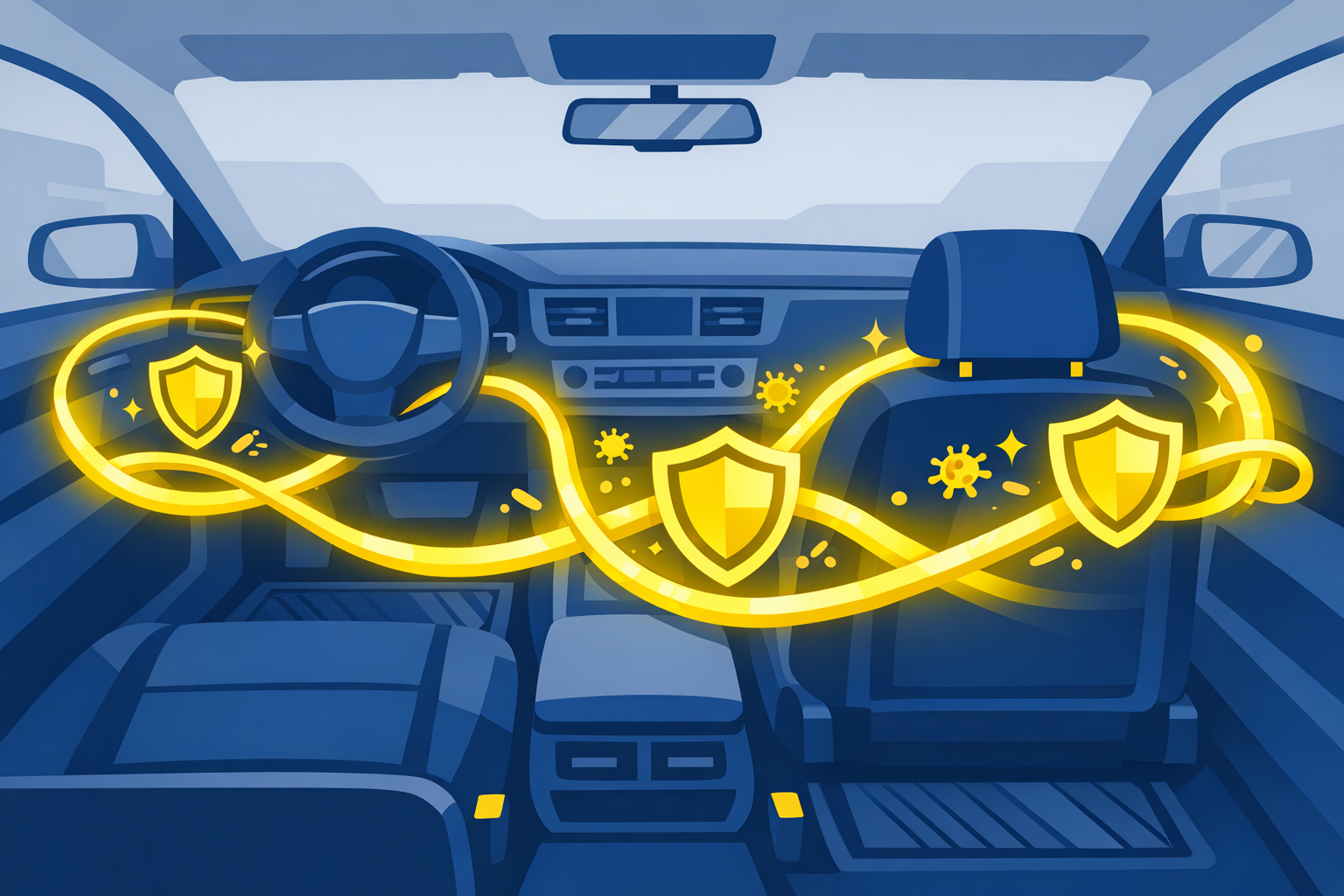
Demand for antimicrobial automotive interiors accelerated after the COVID-19 pandemic, which fundamentally shifted consumer and regulatory expectations around vehicle hygiene. Research from the National Center for Biotechnology Information identified over 700 distinct bacterial strains inhabiting soft and hard surfaces within a typical vehicle, with the steering wheel, cupholders, and seat belts recording the highest concentrations of Colony Forming Units. Fleet operators have reinforced the market case: contaminated seat fabric requiring chemical deep-cleaning costs an estimated $50-$100 per occurrence, creating direct economic pull for self-protective materials.
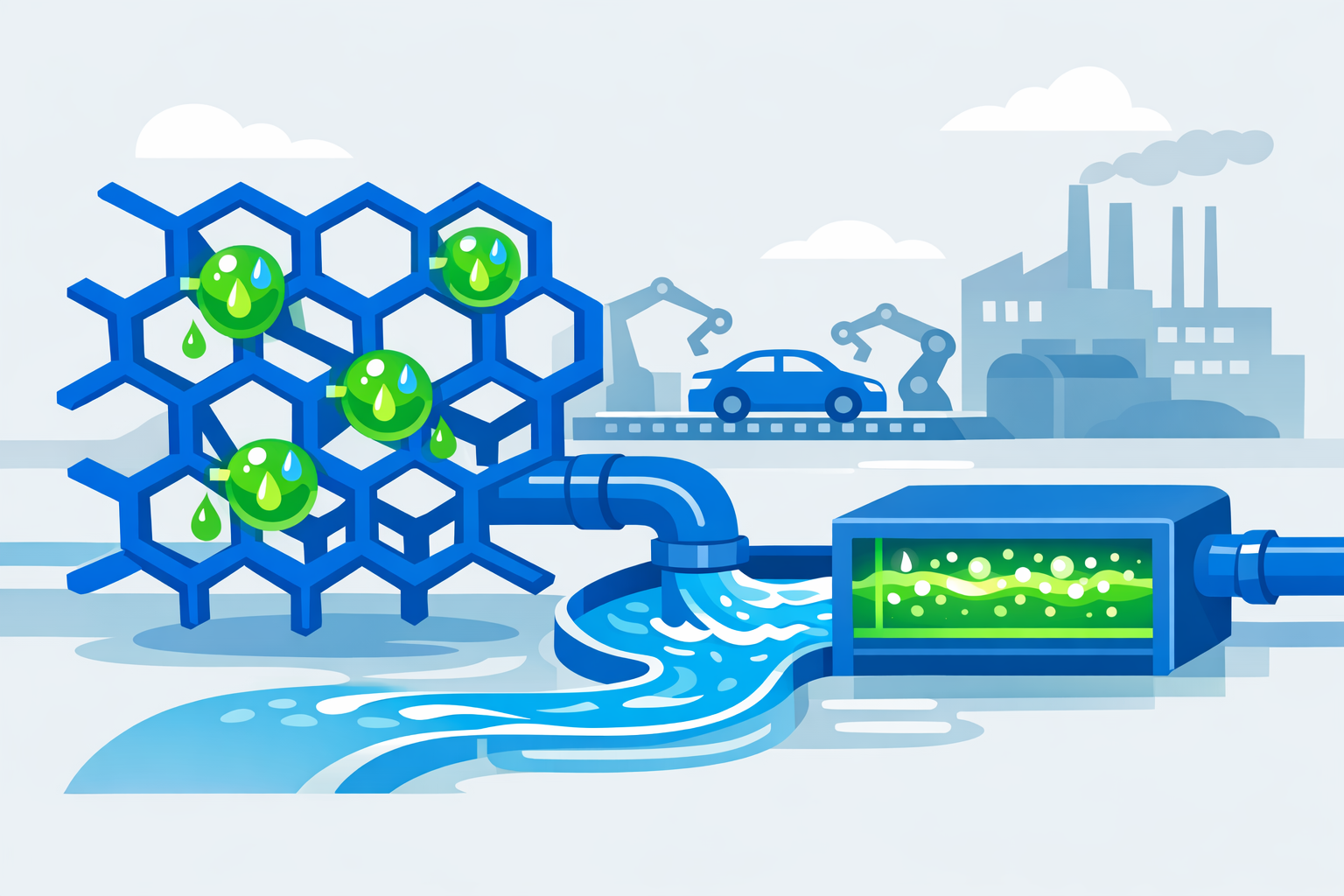
Against this backdrop, sulfur-based polymers-principally those synthesized via inverse vulcanization-have gained research traction. Inverse vulcanization is a bulk copolymerization of elemental sulfur with species containing two or more alkene bonds, yielding crosslinked polymers with sulfur content typically between 50 and 90 percent by mass. The resulting polysulfide networks exhibit dynamic S-S bonds, redox activity, and demonstrated antimicrobial properties. A November 2025 preprint from researchers at Flinders University and the University of Liverpool reported that poly(trisulfide) oligomers derived via photochemical ring-opening polymerization exhibited potent antifungal activity against Candida albicans (minimum inhibitory concentration below 8 µg/mL) and meaningful inhibition of Staphylococcus aureus (MIC of 16 µg/mL), though activity against Gram-negative Escherichia coli was markedly weaker.
The feedstock profile also holds commercial appeal. Elemental sulfur is a byproduct of petroleum hydrodesulfurization and is produced on a million-ton scale annually, making it an abundant and low-cost chemical feedstock. Several companies-including ThioTech, Outside the Box Materials, Uberbinder, and Clean Earth Technology-have moved inverse vulcanization polymers toward early commercial uptake, according to a 2025 review published in RSC Applied Polymers.
Regulatory Details
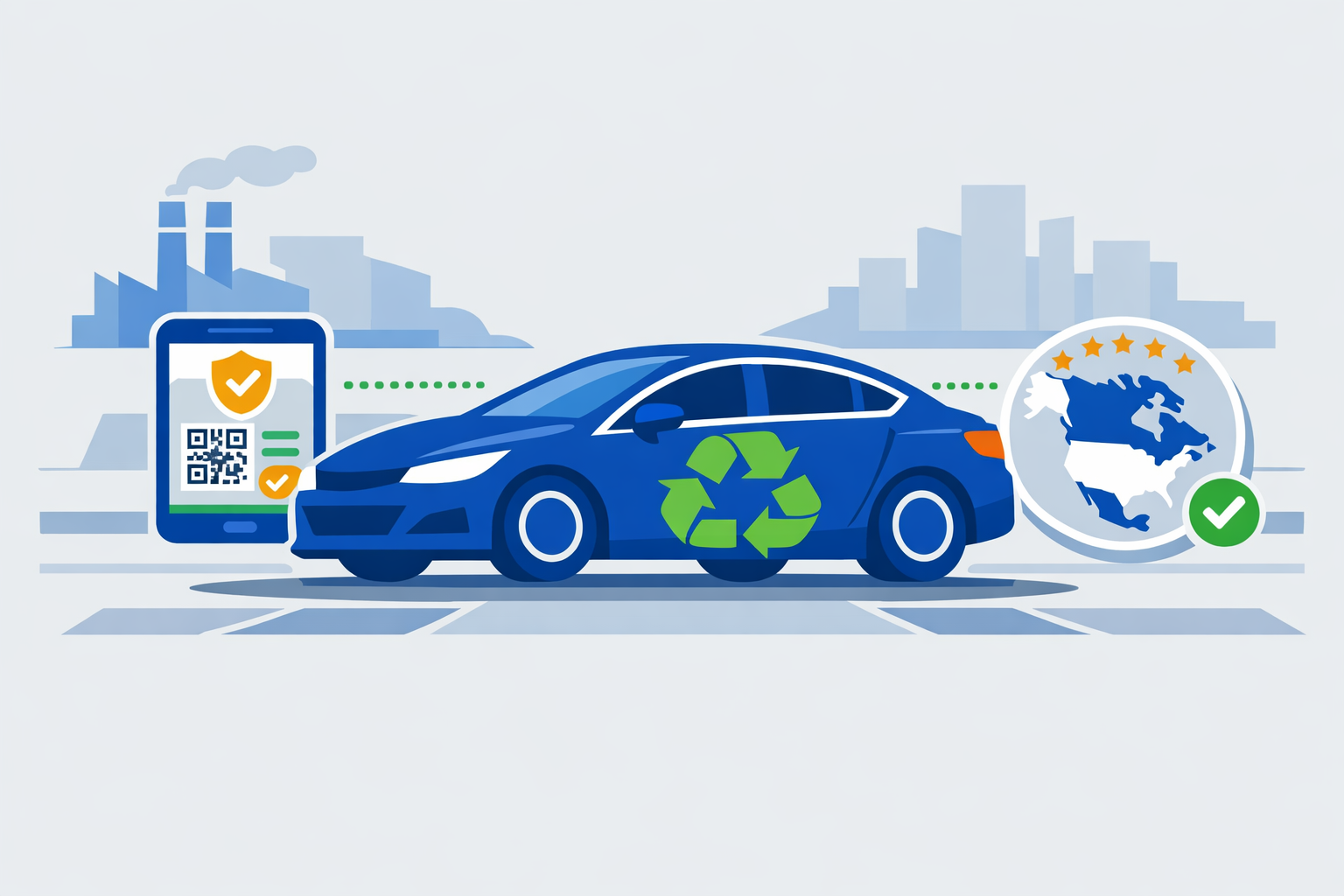
The regulatory environment governing antimicrobial polymer claims in automotive components is tightening on multiple fronts. In the European Union, any polymer component making a biocidal claim falls within the scope of the Biocidal Products Regulation (EU) 528/2012 (BPR), which requires treated articles to use only ECHA-approved active substances. As of 29 September 2025, ECHA updated the list of biocidal active substances permitted for treated articles. Critically for materials formulators, the European Commission launched a formal BPR evaluation in Q4 2025 to assess whether the regulation meets existing and emerging needs-a review that could reshape the approval pathway for novel sulfur-based actives currently absent from the approved substance list.
In parallel, ECHA published an updated human health assessment guidance document (version 5.0) in 2025-the first major revision in nearly seven years. The updated guidance will apply to new active substance submissions from March 2026 and to new product submissions from August 2027. Notably, the 2025 update introduces explicit conditions for secondary inhalation exposure assessments in re-entry scenarios involving volatile substances-a provision directly relevant to enclosed automotive cabin environments. Residual volatile thiol and sulfide byproducts generated during inverse vulcanization synthesis must be characterized and managed to meet these requirements.
At the product performance level, baseline antimicrobial testing for automotive applications currently relies on ISO 22196 for hard non-porous surfaces such as dashboards and door panels, and on ISO 20743 and AATCC 100 for treated textiles including seat fabrics and carpets. According to industry analyses, OEM internal specifications are establishing de facto standards pending formal ISO development for smart and antimicrobial integrated systems; mature standardization for these combined functionalities does not yet exist as of 2025.
Conventional silver-based antimicrobial technologies face additional scrutiny under BPR review processes due to concerns over potential harm to human, animal, and ecological health, according to ECHA documentation cited in collaborative testing between Covestro and Heraeus Precious Metals. This dynamic opens regulatory space for sulfur-based alternatives but simultaneously raises the bar for demonstrating safety equivalence.
Outlook
Scalability remains the critical bottleneck between current pilot programs and mass deployment. Although kilogram-scale synthesis of inverse vulcanization polymers has been demonstrated, the field's commercial uptake remains in early stages, with persistent challenges related to reaction scalability and processing reproducibility. The complex crosslinked structures and limited solubility of these polymers in standard solvents also complicate conventional quality-control characterization at industrial throughput levels, according to published polymer science reviews. As the BPR formal evaluation proceeds and ECHA's updated human health guidance takes effect from early 2026 onward, manufacturers pursuing antimicrobial polymer claims in automotive interiors face an accelerating compliance clock alongside unresolved questions of processing consistency and end-of-life recyclability.