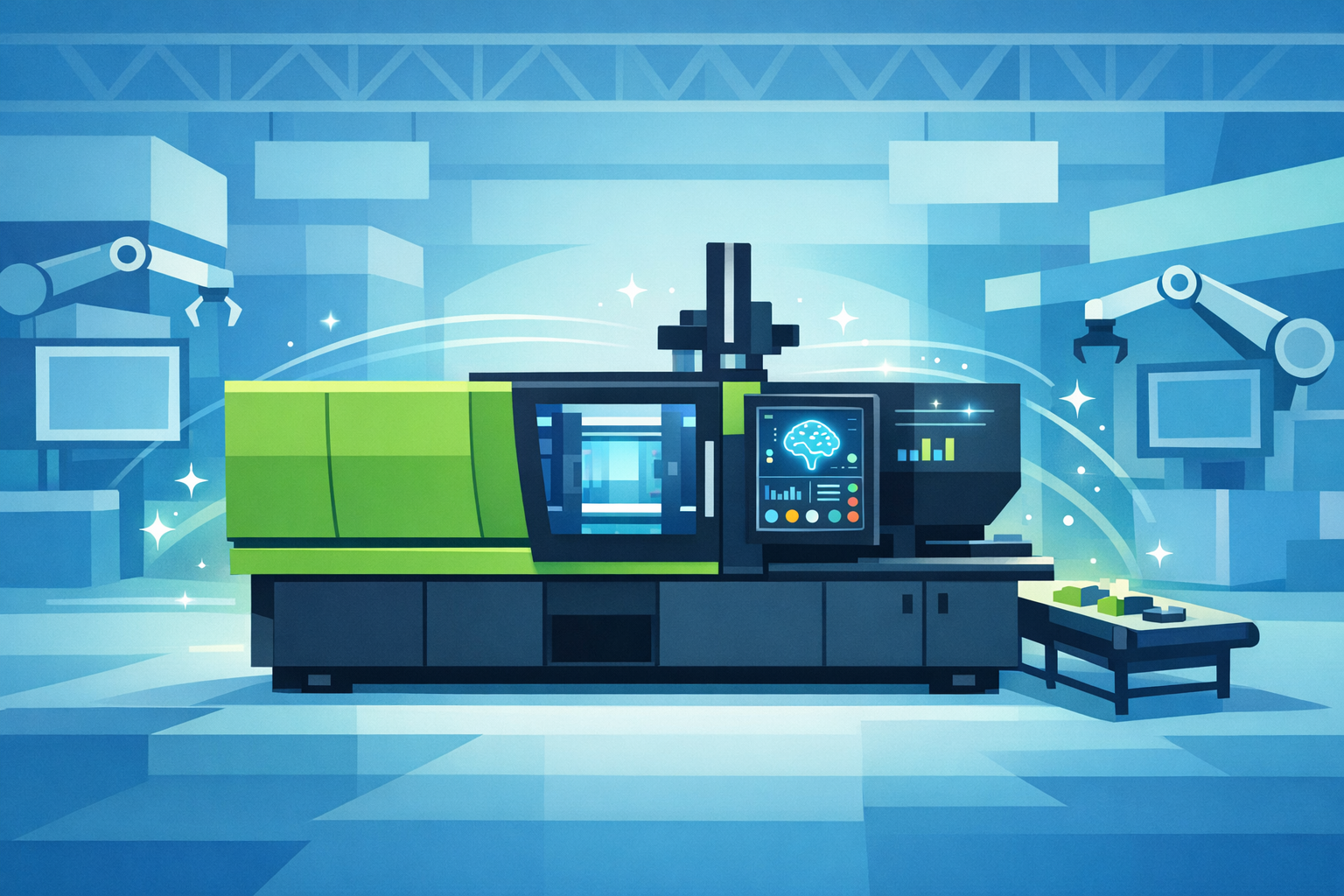
ENGEL won the public award at Swiss Plastics Expo 2026 for its first fully autonomous injection moulding cell. The award was presented in Lucerne on 22 January 2026 during the exhibition held from 20 to 22 January, and was accepted by Christopher Vitz, Managing Director of ENGEL Schweiz AG[1]. The showcased cell uses the all-electric e-mac 80 machine equipped with inject AI, enabling automated regulation of key process parameters, minimised material usage, scrap elimination, and significant reductions in setup time, all achieved without requiring deep operator expertise[1].
Background
Swiss Plastics Expo 2026 gathered over 3,800 professionals and about 200 exhibitors in Lucerne[1]. This year's focus was artificial intelligence and sustainability-areas in which ENGEL distinguished itself and was invited to deliver a keynote address[1]. The Swiss Plastics Expo Award, in its third edition, included an "Audience Favourite" category. Voters recognised ENGEL's evolution from its inject 4.0 platform to inject AI as both a technological and economic advancement[2].
Details
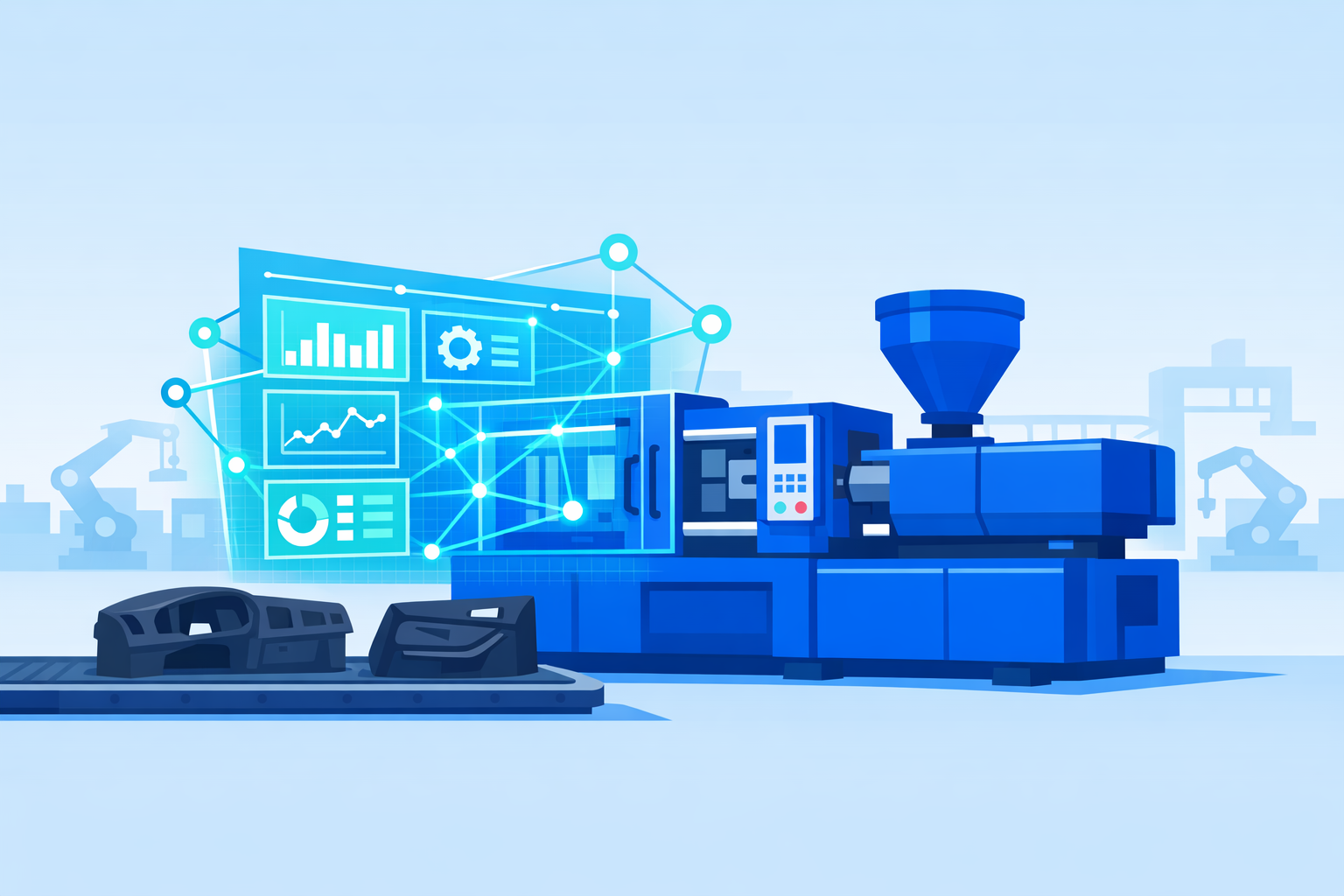
ENGEL's autonomous cell combines digital assistance systems from the inject AI portfolio, offering real-time process data analysis and autonomous corrective interventions prior to defect formation[1]. The system enables up to 5% material savings, consistently high product quality, and robust process reliability, regardless of operator qualification or external variations[1]. Setup and ramp-up times are also reduced, easing staff workload and enhancing control precision and efficiency with each production cycle[3].
The solution addresses Swiss industry needs-including high quality standards, elevated labour costs, and a shortage of skilled professionals-by embedding process knowledge directly into machine control systems[1]. ENGEL reports approximately 20,000 intelligent assistance systems in operation worldwide, and the inject AI framework marks progress toward fully autonomous, resource-efficient production[4].
Outlook
As inject AI advances from pilot projects to broader industry use, plastics processors and automotive OEMs may revisit capital investment and maintenance strategies to support autonomous, self-regulating cells. Operators could transition from manual controls to supervisory and data analysis roles, while companies stand to gain from reduced scrap, lower energy usage, and improved quality consistency. This shift may also drive demand for AI and system management skills in the workforce, rather than manual process tuning.